Healthcare Leadership, Policy & Digital Health News IndiaHealthcare Leadership, Policy & Digital Health News IndiaHealthcare Leadership, Policy & Digital Health News India
  • Home
  • News
  • Articles
  • Exclusive
  • HB Originals
  • Gallery
  • Advertisement
Healthcare Leadership, Policy & Digital Health News IndiaHealthcare Leadership, Policy & Digital Health News India
  • Medical Science
Search
  • Home
  • Categories
    • Medical Science
    • Health Awareness
  • Bookmarks
  • More Foxiz
    • Sitemap
Follow US
  • Advertise
© 2025 Health Hub Media Pvt Ltd. All Rights Reserved.
Healthcare Leadership, Policy & Digital Health News India > Blog > Health Tech > Remote Patient Monitoring (RPM)The Digital Bridge Between Home and Hospital

Remote Patient Monitoring (RPM)The Digital Bridge Between Home and Hospital

Published: October 30, 2025
SHARE

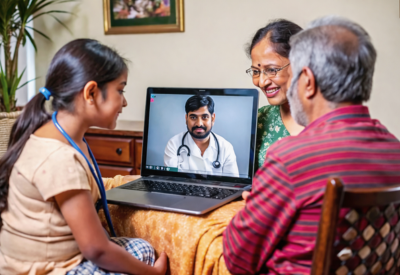
RPM uses connected devices and software to continuously collect patients’ health data outside traditional clinical settings. By transmitting vital signs and trends directly to care teams, it enables early intervention, better chronic-care management and improved access especially in home or remote settings.

Glimpse:

Remote patient monitoring allows clinicians to track conditions like hypertension, heart failure or diabetes from afar using devices such as blood-pressure cuffs, glucose monitors or wearable sensors. Real-time data flows via mobile or cloud networks to dashboards where care teams identify alerts, adjust treatments and engage patients proactively reducing hospital readmissions and enhancing patient engagement.

Remote Patient Monitoring (RPM) is transforming how healthcare is delivered by shifting substantial aspects of care from the clinic into the patient’s home or daily environment. Rather than waiting for scheduled appointments or emergency visits, RPM allows patients to use connected devices such as a blood-pressure monitor, pulse oximeter, glucose meter or wearable patch that automatically collect physiological data and send it to their care team.

The typical workflow of RPM involves:

Device deployment: The patient receives or uses a connected medical device.

Data transmission: Measurements (e.g., BP, HR, weight) are securely sent via WiFi, cellular or Bluetooth to a central system.

Monitoring & analysis: Clinicians or automated algorithms review data streams, detect anomalies or trends outside norms, and generate alerts.

Intervention: Based on insights, the care team can call the patient, adjust medications, schedule a visit, or instruct lifestyle changes—often before a crisis triggers.

Patient engagement: The patient is empowered to monitor, track and participate actively, which supports adherence and lifestyle management.

Key benefits include:

Improved access and convenience: Patients no longer must travel to clinics for routine measurements.

Proactive care: Early detection of changes often leads to fewer hospitalisations, shorter stays and better outcomes.

Better chronic-disease management: Conditions such as hypertension, diabetes, chronic lung disease, and heart failure benefit from continuous oversight.

Lower cost and higher efficiency: Healthcare systems deploy fewer reactive interventions, enabling staff to focus on higher-risk patients.

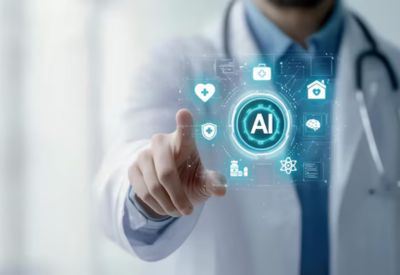
However, RPM still faces challenges: ensuring reliable connectivity, integrating with electronic health records (EHRs), protecting patient data privacy, and engaging patients effectively. As devices and platforms evolve (AI-enabled sensing, 5G connectivity, IoT wearables), the scope and value of RPM continue expanding.

“Remote patient monitoring turns every home into a clinic when you wear the right device, you’re no longer waiting for symptoms to get worse; your care team is already watching.”

By

HB Team

Related News

Kargil Boosts Digital Healthcare with HMIS Rollout Across Rural Facilities

April 22, 2026

India Launches First AI Driven Rural Medical Hub to Bridge Village Healthcare Gap

April 21, 2026

Singapore Startup Secures Funding to Turn Cameras into Contactless Health Monitors

April 21, 2026

AI Bias in Healthcare: The Hidden Risk Shaping Who Gets Better Care

April 21, 2026

AI Meets Radiology at Scale: DeepTek and deepc Unite for Smarter Clinical Workflows

April 21, 2026

Apollo Hospitals Expands Tech-Driven Care to Sri City

April 21, 2026

Lilavati Hospital Expands Beyond Mumbai with ₹700 Cr Smart Healthcare Hub in GIFT City

April 21, 2026

NHA Honours Top States for Driving India’s Digital Health and Ayushman Bharat Success

April 20, 2026

Chennai Launches iLive Connect to Bring 24×7 AI-Powered Patient Monitoring Beyond Hospitals

April 20, 2026

Karnataka Bets Big on AI-Biotech Hub to Power Next Wave of Innovation

April 18, 2026

Strong Clinical Foundations Must Lead Medical Education in the Age of AI: Dr. Jitendra Singh

April 16, 2026

Jharkhand Launches e-Sushrut App to Digitize Healthcare and Fast Track ABDM Integration

April 16, 2026

Healync Technologies Raises Funding from Volrado to Build Next-Gen Digital Hospitals

April 15, 2026

IKS Healthcare in Advanced Talks to Acquire US Based TruBridge for $600 Million

April 13, 2026

Union Health Secretary Reviews Progress at AIIMS Mangalagiri, Emphasises Timely Completion of Key Facilities

April 13, 2026

Generative AI in Healthcare Set for Explosive 10x Growth by 2033

April 13, 2026

Virtual Care Breakthrough: How Telemedicine and Digital Tools Are Closing Healthcare Gaps in Remote and Underserved Areas

April 10, 2026

Srishti Hospital in Jaipur Deploys ZenOv AI Platform to Strengthen Digital Healthcare Delivery

April 8, 2026

ICMR Endorses IIT Kharagpur’s Innovative HemoQR Device for Fast, Affordable Anaemia Detection

April 7, 2026

ANSR Unveils Healthcare GCC Accelerator with Optum AI to Fast-Track Enterprise AI Transformation

April 7, 2026
Himanshu Bhardwaj Takes Charge as Chief Information Officer at Adani Healthcare
Omron Advances India Cardiac Care with Deeper Investment in Tricog
Impact of Artificial Intelligence in Healthcare Benefits, Challenges & Future Outlook
Gurugram Gets Adayu, Fortis’ Dedicated Mental Health Center
Rajasthan Launches ‘e-Swasthya Samvad’ Digital Platform to Revolutionize Medical Education Governance
Your browser does not support the audio element.

Contact us

Privacy Policy

Terms & Conditions

HealthBuzz is a leading platform for healthcare news in India, covering hospital leadership updates, health policy developments, digital health innovations, and emerging healthcare startups. Stay informed with the latest insights shaping India’s healthcare ecosystem.

Facebook Twitter Youtube Whatsapp

Quick Links

  • Home
  • Articles
  • HB Originals
  • News
  • Videos
  • Gallery

Company

  • About us
  • Contact Us
  • Privacy Policy
  • Terms & Conditions
  • Content Complaince

Install our Mobile App for Best Experience

Healthcare Leadership, Policy & Digital Health News IndiaHealthcare Leadership, Policy & Digital Health News India
Follow US
Health Hub Media Pvt. Ltd. © 2026 All Rights Reserved
Welcome Back!

Sign in to your account

Username or Email Address
Password

Lost your password?