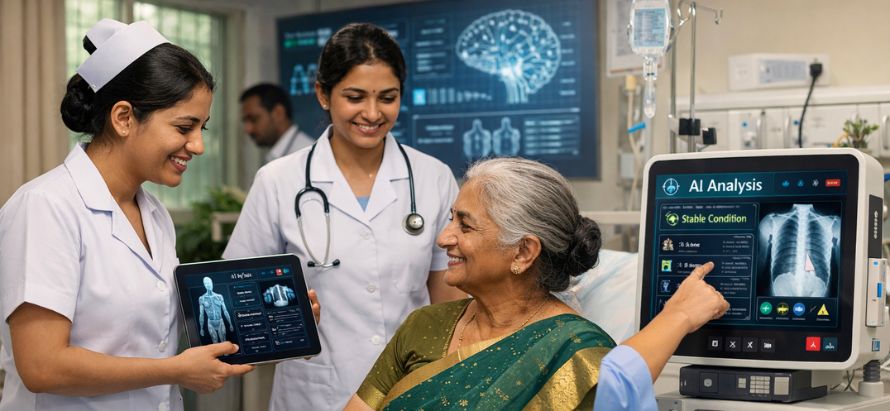
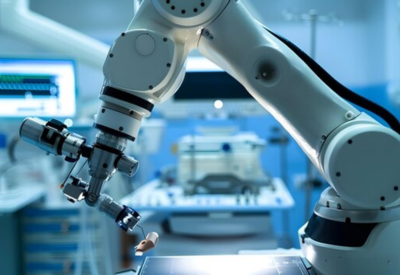
Kerala stands out in India’s healthcare landscape for its early and practical integration of artificial intelligence in nursing workflows. At institutions like Baby Memorial Hospital (BMH), nurses leverage AI to navigate high patient volumes, administrative burdens, and attrition transforming daily care without replacing the human touch central to the profession.
AI primarily automates routine tasks, allowing nurses to prioritize direct patient interaction. Tools handle clinical documentation, generate care plans, send medication reminders, and chart data reducing time spent on paperwork. Saji Mathew, BMH’s Group Chief of Technology & Business Integration, notes: “A significant amount of nurses’ time is currently spent on administrative and documentation tasks. This allows nurses to focus more on bedside care, providing comfort, compassion, and direct patient support.”
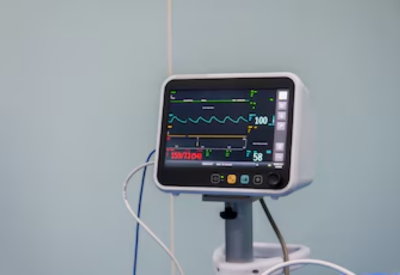
Remote patient monitoring stands out: AI-integrated IoT devices track vitals continuously, issuing early alerts for deterioration even outside ICUs preventing escalations like code-blue events.
An innovative AI-driven auto-dialer streamlines nurse-doctor communication: nurses input patient details, and the system automates calls, alerts, and logs cutting delays in urgent responses.
For training amid attrition, an AI nurse communication simulator creates realistic patient scenarios, asks questions, and provides feedback standardizing skills for new staff quickly.
BMH’s flagship Continuous Connected Care@BMH initiative automates follow-ups, measurements, and charting, boosting efficiency across wards.
Kerala’s supportive ecosystem strong digital infrastructure, clinician-led innovation, and startup collaborations (backed by Kerala Startup Mission) accelerates adoption. Partnerships with Big Four firms and tech providers shape BMH’s five-year roadmap, including conversational documentation (AMPI GMR), predictive analytics, and patient engagement tools.
Benefits are tangible: fewer clinical errors/near-misses, higher productivity (handling more patients efficiently), improved safety via early detection, and maintained quality despite turnover.
Challenges persist: immature AI models, cloud-based LLM privacy risks (potential data indexing), resistance from staff needing training/support, and ethical concerns like predictive bias requiring safeguards.
Mathew emphasizes balance: “AI in nursing care should be seen as an enabler that augments human capability, not replaces it. Healthcare is ultimately about human connection.”
Kerala’s frontline AI nursing integration offers a model for India blending technology with compassion to deliver efficient, empathetic care in resource-constrained settings.