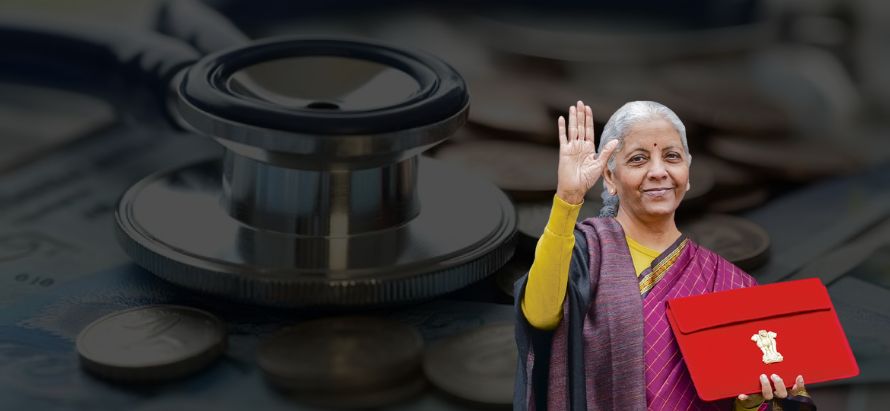
The Union Budget 2026–27, presented on February 1, 2026, has allocated ₹1,05,530 crore to the Ministry of Health and Family Welfare an increase of 18–22% over the revised estimates of the previous year. This robust funding reflects the government’s strategic shift toward prevention and long-term management of chronic diseases, which now account for over 60% of deaths and a growing share of healthcare expenditure in India.
A significant portion of the increase has been directed toward the National Programme for Prevention and Control of Non-Communicable Diseases (NPCDCS), with ₹8,000 crore earmarked specifically for nationwide screening, early diagnosis, and community-based management of diabetes, hypertension, cardiovascular diseases, cancers, chronic respiratory conditions, and mental health disorders. The budget includes support for establishing NCD clinics in every district hospital, mobile screening units, and performance-linked incentives for states that achieve better control rates in high-risk populations.
The Ayushman Bharat Digital Mission (ABDM) received continued strong backing, with additional funds allocated to expand ABHA coverage toward universal adoption, enhance health record linkage, and integrate AI-powered tools for risk stratification, predictive alerts, and chronic care coordination. Telemedicine services under eSanjeevani and home-based care pilots for chronic patients were also prioritised, including subsidies for remote monitoring devices and training for frontline health workers.
In a major policy push toward self-reliance, the budget introduced the Biopharma Shakti Mission a dedicated programme to accelerate domestic manufacturing of biologics, biosimilars, monoclonal antibodies, vaccines, and advanced therapies. The mission offers enhanced production-linked incentives, capital subsidies for manufacturing facilities, R&D grants, and streamlined regulatory pathways. This initiative aims to reduce India’s heavy dependence on imported biologics (currently 60–70% by value), strengthen supply chain resilience, and create high-skilled employment opportunities.
Other notable health-related allocations include further expansion of cancer care infrastructure (day-care chemotherapy units and regional cancer centres), increased support for mental health integration in primary care, and continued funding for nutrition and maternal-child health programmes under Poshan Abhiyaan. The budget also provides tax incentives for private-sector investment in underserved districts and high-priority areas such as rare diseases and antimicrobial resistance.
Industry leaders across hospitals, diagnostics, pharmaceuticals, and medtech welcomed the budget’s direction. Many described it as “forward-looking” and “much-needed,” particularly the focus on chronic disease prevention, digital health, and biopharma manufacturing. Experts noted that successful implementation especially timely disbursal of funds, state-level execution, and regulatory clarity will be critical to translating these allocations into measurable improvements in health outcomes and reduced financial hardship for families.