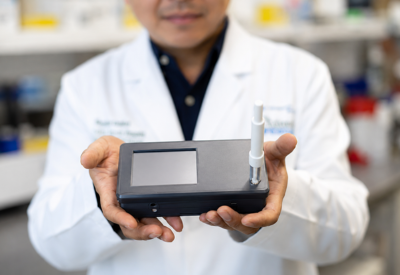
Qure.ai has partnered with Translational Health Science and Technology Institute (THSTI) to develop AI-powered ultrasound tools aimed at early detection of preterm birth risks.
Glimpse:
Qure.ai and THSTI are collaborating to build AI-enabled ultrasound solutions that can predict preterm birth risks using data from large scale pregnancy studies like GARBH-INi. The initiative aims to improve early diagnosis and reduce neonatal mortality in India.
In a major step toward advancing maternal healthcare, Qure.ai has partnered with Translational Health Science and Technology Institute (THSTI) to develop AI-enabled ultrasound tools for early detection of preterm birth risks.
The collaboration focuses on leveraging artificial intelligence to analyze ultrasound imaging data and identify early indicators of preterm delivery one of the leading causes of neonatal mortality globally.
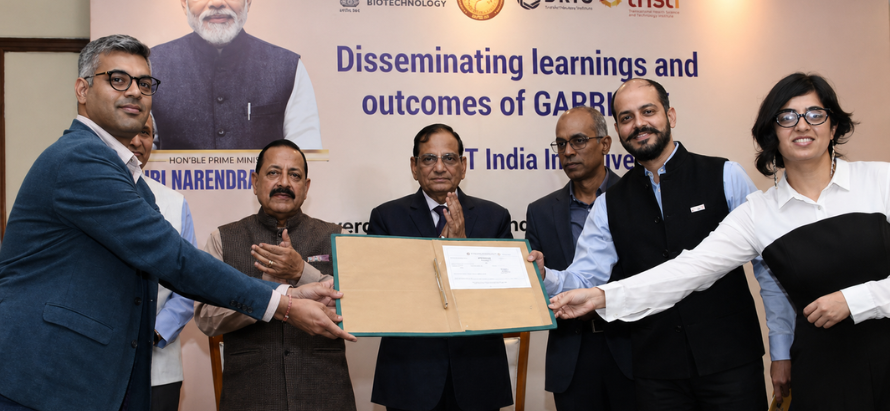
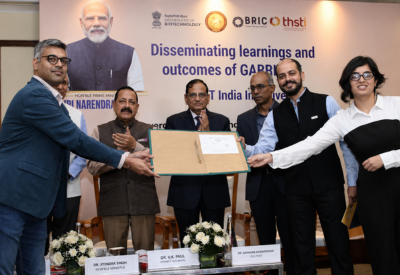
A key foundation for this initiative is the GARBH-INi program, one of India’s largest pregnancy cohort studies involving over 12,000 women. The program has generated vast datasets, including more than a million ultrasound images, enabling the development of AI models tailored specifically to Indian populations.
By integrating AI with ultrasound diagnostics, the project aims to provide clinicians with tools that can predict risks earlier and more accurately than traditional methods. This could enable timely interventions, improve pregnancy outcomes, and significantly reduce complications associated with premature births.
The initiative also highlights a broader shift in healthcare using data driven, AI-powered technologies to move from reactive treatment to predictive and preventive care, particularly in maternal and child health.
Experts note that preterm births remain a major challenge in India, with thousands of cases occurring daily. Early risk detection through scalable AI tools could play a crucial role in improving neonatal survival rates and long term health outcomes.
Overall, the partnership between Qure.ai and THSTI represents a significant advancement in combining clinical research, large scale data, and artificial intelligence to address one of the most critical challenges in public health.