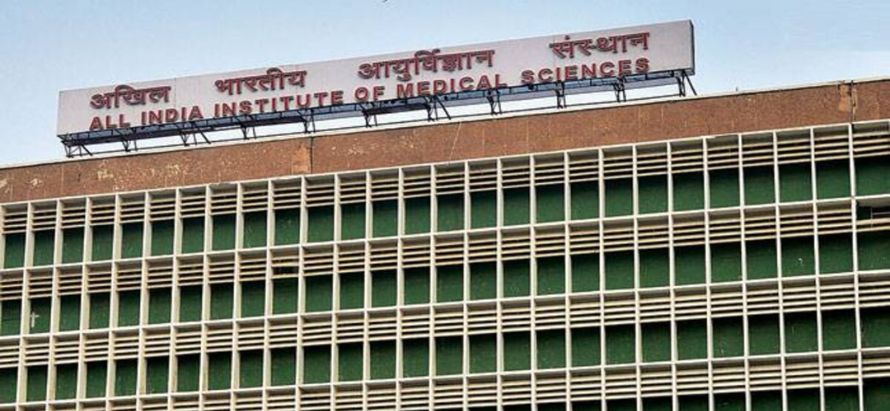
When it comes to stroke care, every second counts and now, India has a homegrown solution that can stand shoulder-to-shoulder with the world’s best. An AIIMS-led clinical trial has confirmed that an indigenous stroke intervention device delivers results comparable to internationally used systems, marking a defining moment for Indian medical innovation.
The trial evaluated the device’s performance in treating acute ischemic stroke, a condition where rapid restoration of blood flow is critical to preventing long-term disability or death. According to the findings, the locally developed technology met global standards for both safety and clinical effectiveness a powerful validation from one of India’s most respected medical institutions.
For clinicians, this isn’t just about technological pride. It’s about expanding access. Imported stroke devices often come with high costs that limit availability beyond major urban centres. A proven indigenous alternative could significantly lower treatment costs, enabling more hospitals especially in tier-2 and tier-3 cities to offer advanced stroke interventions.
The success also highlights a broader shift in India’s healthcare ecosystem. From being dependent on imported high-end devices, the country is steadily moving toward innovation-led self-reliance, backed by rigorous clinical evidence. For patients, that translates into faster access, affordable care, and outcomes that match the best in the world.
As stroke continues to be a leading cause of disability in India, breakthroughs like this signal hope not just in technology, but in the country’s ability to deliver equitable, world-class care at scale.