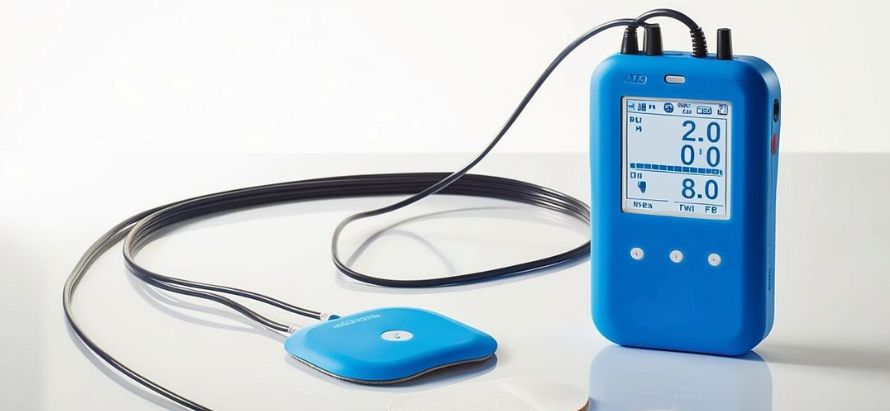
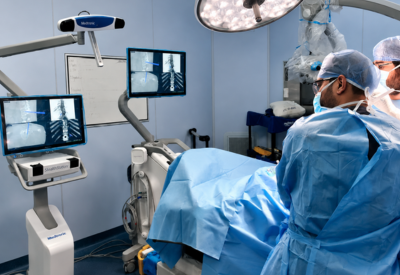
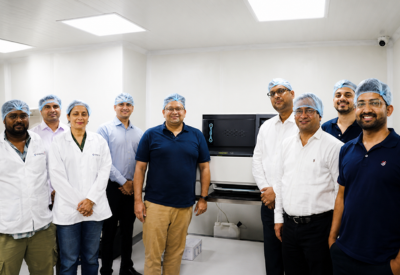
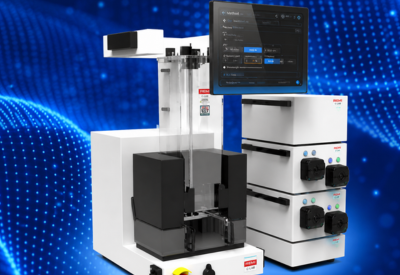
A new generation of semiconductor chip technology is paving the way for smarter portable medical devices capable of delivering high-precision health diagnostics on the go. The latest innovation significantly boosts processing power while reducing energy consumption, allowing small devices to perform complex analyses that previously required lab-grade equipment.
Designed specifically for medical applications, the chip integrates advanced sensors, edge AI capabilities, and real-time data processing to improve the accuracy and reliability of self-diagnostic tools. This means that consumers will soon be able to run tests for conditions such as infections, metabolic disorders, or heart abnormalities directly from handheld or wearable gadgets.
Industry experts say this innovation marks an important shift in global health-tech infrastructure, as it supports the transition from clinic-centered diagnostics to patient-owned, portable systems. The advancement not only benefits tech-enabled home healthcare but also strengthens remote care in rural, underserved, and resource-limited environments.
With demand for quick, decentralised testing at an all-time high, the new chip architecture is expected to accelerate the next wave of medical device innovation, making self-monitoring tools more intelligent, affordable, and accessible across the world.