

Congo's Ebola Outbreak Crosses 8,000 Cases as Bundibugyo Strain Spreads to Seven Provinces
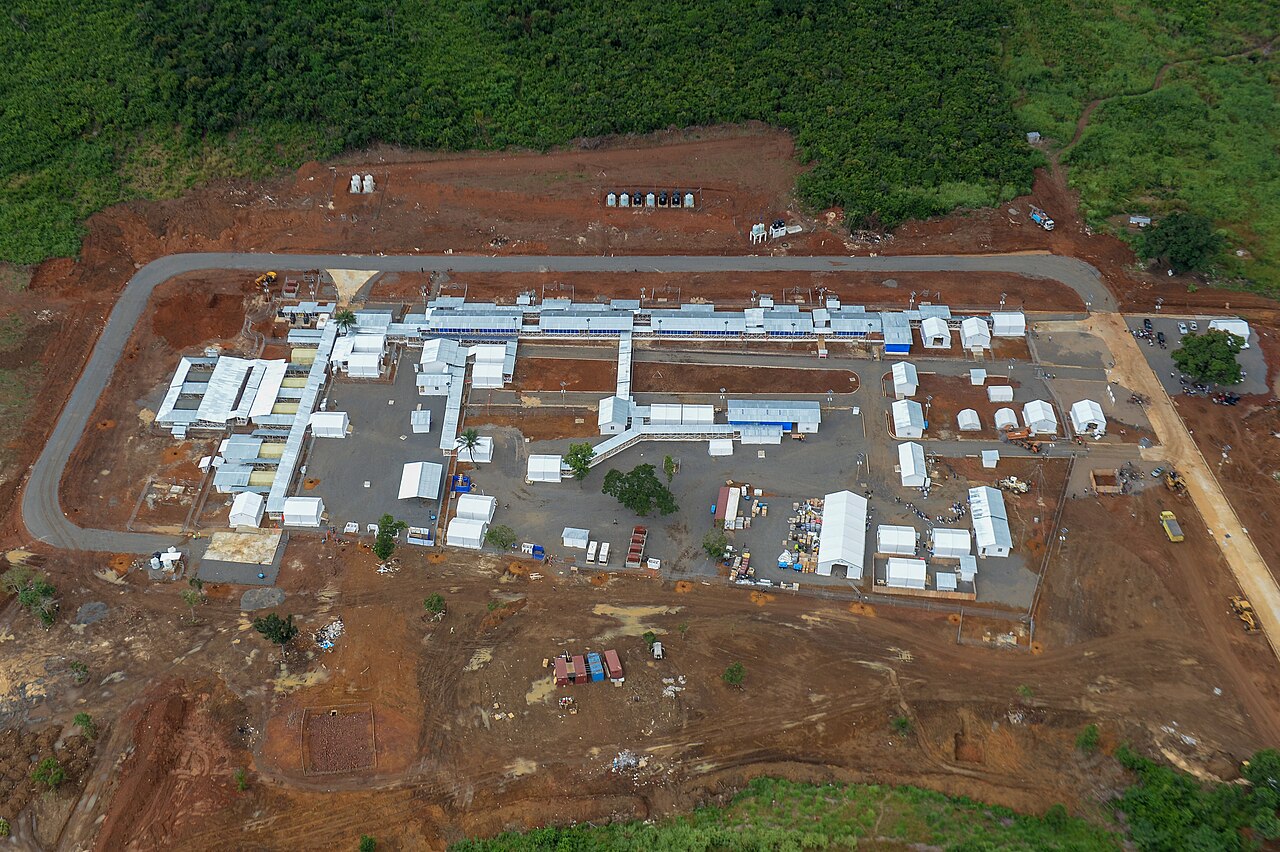
Nearly half of those infected have died; WHO rates the national risk "very high" but advises against travel and trade restrictions.
The Ebola outbreak in the Democratic Republic of the Congo has crossed 8,000 confirmed cases, making it one of the largest Ebola epidemics on record.
As of 26 September, authorities had confirmed 8,067 cases and 3,901 deaths — a fatality rate above 48%. Fifty health workers have died. The outbreak, declared on 15 May 2026, is caused by the Bundibugyo strain of the virus, for which there is no approved vaccine or specific treatment.
Where it is spreading
According to the World Health Organization, cases have been reported from 63 health zones in seven provinces: Bas-Uélé, Haut-Uélé, Ituri, North Kivu, South Kivu, Sud-Ubangi and Tshopo. Ituri is the epicentre, followed by North Kivu.
WHO said the persistently high fatality rate, and especially the large number of deaths occurring in communities rather than treatment centres, shows how hard it has been to detect cases early and get patients into care. Shortages of health workers, delayed salaries that have led to strikes, insecurity and displacement have hampered the response.
Risk assessment
WHO rates the risk as very high in Congo, high in neighbouring countries and low globally. It does not recommend travel or trade restrictions.
Source: WHO / AP


Comments (0)